AI and the Fourth Industrial Revolution
AI and the Fourth Industrial Revolution
We are currently witnessing the dawn of the Fourth Industrial Revolution, where digital, physical and biological systems converge — and at the core of this transformation lies the power of artificial intelligence (AI). Unlike previous eras characterised by steam, electricity or basic computing, this revolution is defined by intelligent machines, real-time data and deeply interconnected systems.
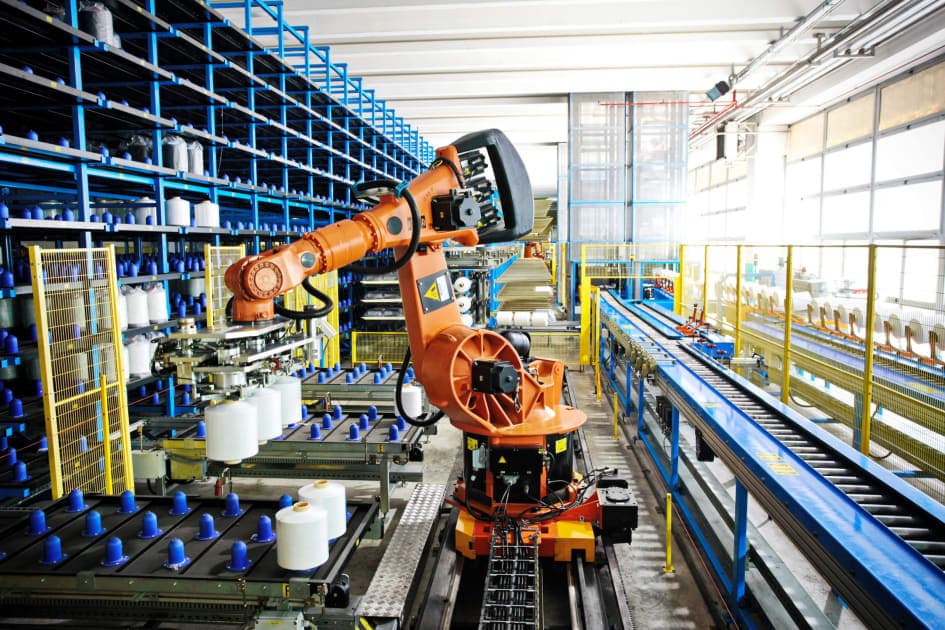
AI amplifies efficiency across industries, enabling smart factories where machines monitor themselves and optimise production. It powers predictive maintenance in manufacturing, real-time risk detection in finance, and personalisation in retail. The sheer speed and scope of change is unprecedented, thanks to AI’s ability to learn, adapt and make decisions at scale.
However, this shift brings important challenges. As AI automates tasks once done by humans, the workforce must evolve — moving from routine manual work to roles demanding creativity, critical thinking and emotional intelligence. Moreover, ethical questions about data privacy, bias in algorithms and the governance of autonomous systems must be addressed to ensure that AI serves society fairly.
In short, AI is the engine driving the Fourth Industrial Revolution. The companies, governments and individuals who prepare by investing in digital skills, ethical frameworks and adaptive mind-sets will be the ones who thrive. The future doesn’t just belong to machines — it belongs to those who harness AI wisely and humanely.