Artificial Intelligence and Environmental Protection
Artificial Intelligence and Environmental Protection
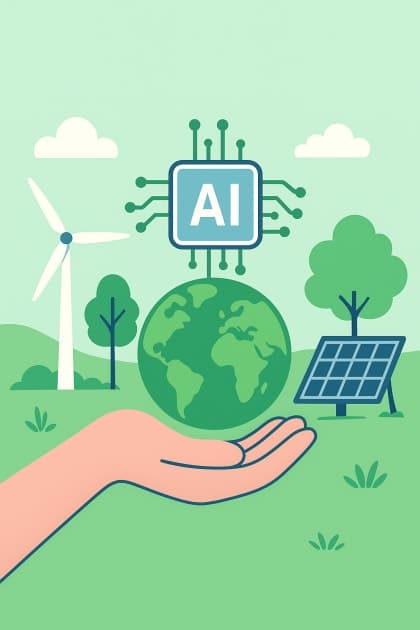
Artificial Intelligence (AI) is becoming a powerful ally in the fight against climate change and environmental pollution. By analyzing massive amounts of data, AI helps scientists and organizations understand environmental problems more clearly and develop smart solutions for a cleaner planet.
One of the main uses of AI is monitoring air and water quality. Smart sensors collect data from different locations, and AI systems analyze it to identify pollution sources. This allows governments to take quick action and prevent environmental damage. In agriculture, AI helps farmers use water and fertilizers efficiently, reducing waste and protecting soil health.
AI is also being used to predict natural disasters such as floods, forest fires, and hurricanes. With accurate forecasting, authorities can prepare in advance and save lives. Moreover, AI-driven robots are cleaning oceans by collecting plastic waste and tracking endangered marine species.
Despite these positive developments, AI technology requires electricity and data centers, which can also impact the environment. Therefore, it’s important to use renewable energy and eco-friendly designs in AI development.
Overall, Artificial Intelligence offers hope for a more sustainable future. When used responsibly, it can help humanity restore balance with nature and protect the Earth for future generations.