The IMpact of AI on Creativity and Art
On this page
The Impact of AI on Creativity and Art
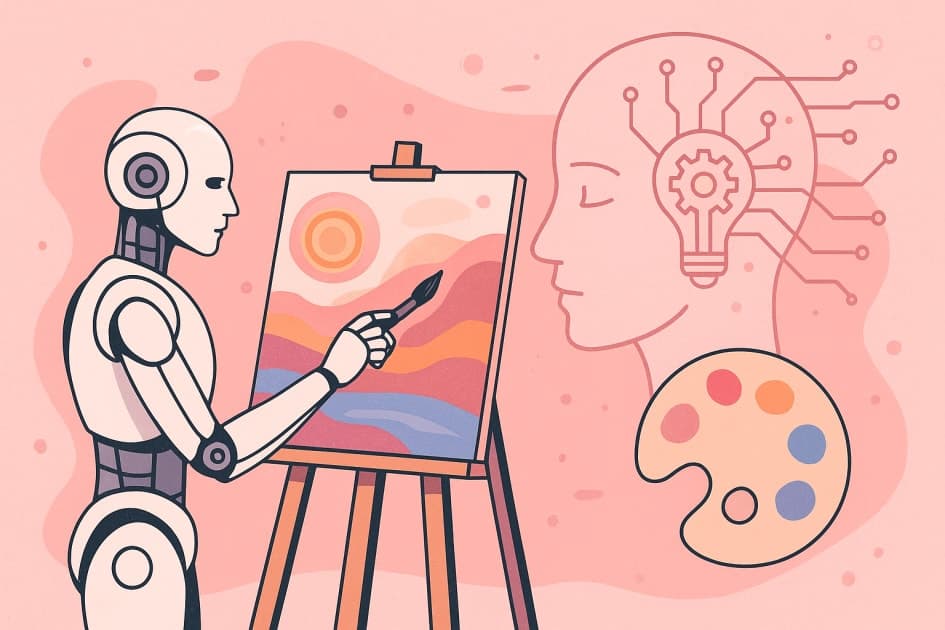
In recent years, Artificial Intelligence (AI) has entered almost every field of human life, from healthcare and education to transportation and entertainment. However, one of its most fascinating and debated influences is on creativity and art. Traditionally, creativity was considered a uniquely human ability — something that involved emotion, intuition, and imagination. But today, AI is challenging that idea by becoming a creative partner, capable of producing music, paintings, stories, and even films.
AI’s impact on art began with simple computer-generated images, but it has now evolved into sophisticated systems like DALL·E, Midjourney, and ChatGPT that can create realistic artwork, design graphics, write poetry, and compose music in seconds. Artists and designers use these tools to enhance their creative process, experiment with new ideas, and push artistic boundaries. Instead of replacing artists, AI often acts as a collaborator — helping them visualize concepts that were once impossible or too time-consuming to create manually.
In the field of visual arts, AI algorithms analyze thousands of artworks to learn styles, colors, and techniques. They can then generate entirely new pieces inspired by famous artists like Van Gogh or Picasso. This has given rise to “AI art,” where artists use algorithms to produce unique digital creations. These AI-generated artworks are now being displayed in galleries, sold as NFTs, and even winning art competitions. However, this has also raised important questions about originality and authorship — who should be credited as the artist: the human who designed the prompt or the AI that generated the result?
In music, AI is being used to compose melodies, create background scores, and even generate lyrics. Apps like Amper Music and AIVA allow musicians to experiment with new sounds and genres. Similarly, writers and filmmakers use AI tools to brainstorm ideas, create scripts, and improve storytelling. This fusion of human creativity and artificial intelligence is leading to a new artistic revolution, where technology becomes both the muse and the medium.
Yet, the growing influence of AI in art also comes with challenges. Critics argue that AI lacks true emotion and personal experience — two key elements that make human art meaningful. While AI can imitate creativity, it doesn’t feel the joy, pain, or passion behind the work. There is also concern that AI-generated art could devalue traditional artists and flood the creative market with automated content, making it harder for authentic human voices to be recognized.
Despite these concerns, many experts believe that AI will not destroy creativity but transform it. Just as the invention of photography didn’t end painting, AI will not end art — it will change how we define and create it. The future of art may belong not to humans or machines alone, but to the collaboration between them. Through this partnership, creativity will continue to evolve, opening endless possibilities for expression, innovation, and imagination.